Case Study
- Industry
- Manufacturing
- Capability
- AI Engineering, Predictive Analytics & Machine Learning
- Focus
- Equipment Monitoring & Anomaly Detection
- Vibration
- NormalLine 1 · Press
- Temperature
- RisingLine 2 · Motor
- Risk signal
- ReviewPump 4
- Next inspection
- PlannedConveyor 3
- Equipment Monitoring
- Analysing machine operating data
- Anomaly Detection
- Identifying unusual patterns
- Maintenance Intelligence
- Supporting data-informed intervention planning
- Human Review
- Maintenance teams investigate every signal
Use Case Overview
Unexpected Equipment Failure Can Disrupt an Entire Production Schedule
Manufacturing operations depend on equipment performing reliably. Unexpected failures can interrupt production, delay orders, and increase maintenance costs.
Traditional maintenance schedules are often based on fixed intervals or reactive repairs. They may not fully reflect changing machine conditions or emerging signs of abnormal operation.
Machine learning can analyse equipment readings and historical failure data to identify patterns that may indicate developing issues, helping maintenance teams investigate potential risks earlier.
Business Situation
Detecting Problems Before They Become Downtime
Manufacturing teams can face several equipment-monitoring challenges:
- Unplanned downtimeEquipment failures interrupt production and affect delivery schedules.
- Limited warning signalsEarly indicators of deterioration may be difficult to identify through manual monitoring.
- Reactive maintenanceTeams may intervene only after performance declines or a failure occurs.
- Inefficient maintenance planningFixed schedules may lead to unnecessary inspections or miss emerging problems.
The challenge is to turn available equipment data into useful signals that help teams prioritise inspections and maintenance activities.
Case Flow
From Machine Sensors to Maintenance Review
The system supports maintenance decisions rather than automatically assuming every anomaly represents an imminent failure.
- Machine sensors
- Data pipeline
- Data preparation
- Anomaly detection
- Risk signals
- Maintenance review
TECHAIVV Capability Applied
Turning Machine Data Into Maintenance Signals
Equipment Data Integration
Consolidate relevant sensor readings, operating logs, and historical maintenance records.
Data Preparation
Clean and structure time-series data for analysis.
Anomaly Detection
Apply statistical or machine learning methods to identify unusual operating behaviour.
Predictive Modelling
Where sufficient labelled historical data exists, evaluate models for estimating equipment failure risk.
Alerting & Monitoring
Surface potential anomalies for maintenance teams to investigate.
How It Fits Together
From Equipment Data to Maintenance Decisions
Equipment Data
- Machine sensors
- Operating logs
- Maintenance records
- Equipment details
Machine Learning Pipeline
- Data Pipeline
- Anomaly Detection
- Risk Models
- Time-series data preparation
- Model evaluation
- Alerting and monitoring
Maintenance Teams
- Risk signals
- Maintenance review
- Inspection planning
- Maintenance alerts
Outcome Snapshot
Moving From Reactive Repairs Toward Data-Informed Maintenance
A predictive maintenance initiative should be evaluated through the measures below. Results depend on sensor quality, historical data, equipment characteristics, and how maintenance teams use the predictions. Actual project metrics should be added after validation.
Unplanned Downtime
Unplanned equipment downtime.
Detection Quality
Failure detection precision and recall.
Advance Warning
Advance warning time before confirmed failures.
Maintenance Cost
Maintenance cost per operating period.
Alert Volume
Unnecessary alerts and inspection frequency.
Technologies Used
The Methods Behind the Monitoring
Matched to the equipment and the data available.
- Sensor DataReadings and operating logs
- Data PipelinesTime-series ingestion
- Anomaly DetectionStatistical and ML methods
- Predictive ModelsFailure-risk estimation
- AlertingSignals for maintenance teams
Engagement Models
Flexible Ways to Work Together
Choose the model that fits your team, timeline and budget, and change it as your needs grow.
Dedicated Resource Model
Skilled professionals for your teams
Contract Staffing
Flexible hiring for short or long-term needs
Project Delivery
End-to-end execution with defined outcomes
Managed Support
Ongoing support and team augmentation
Technology Consultation
Expert guidance to shape your technology approach
Long-Term Partnership
A strategic partner for your growth journey
Related Services
The AI Engineering Services Behind This Work
Explore the services applied in this case study, or combine them into one program for your own project.
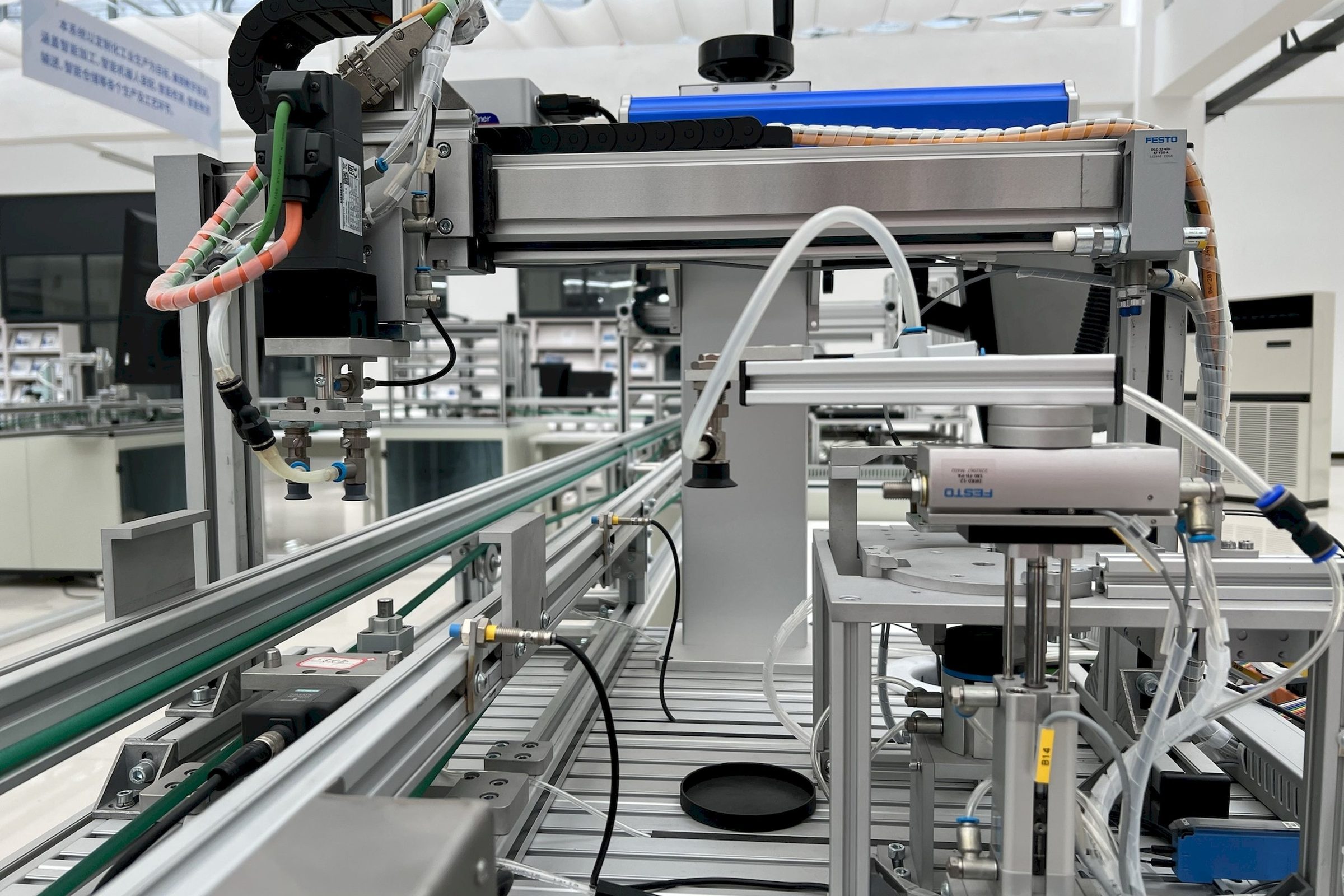 Industrial AIBring AI to operational environments with predictive maintenance, quality inspection, and process optimization on real plant data.Explore Service
 AI Product EngineeringDesign and build AI-powered products and features, from prototype to production, with the architecture, testing, and monitoring they need.Explore Service
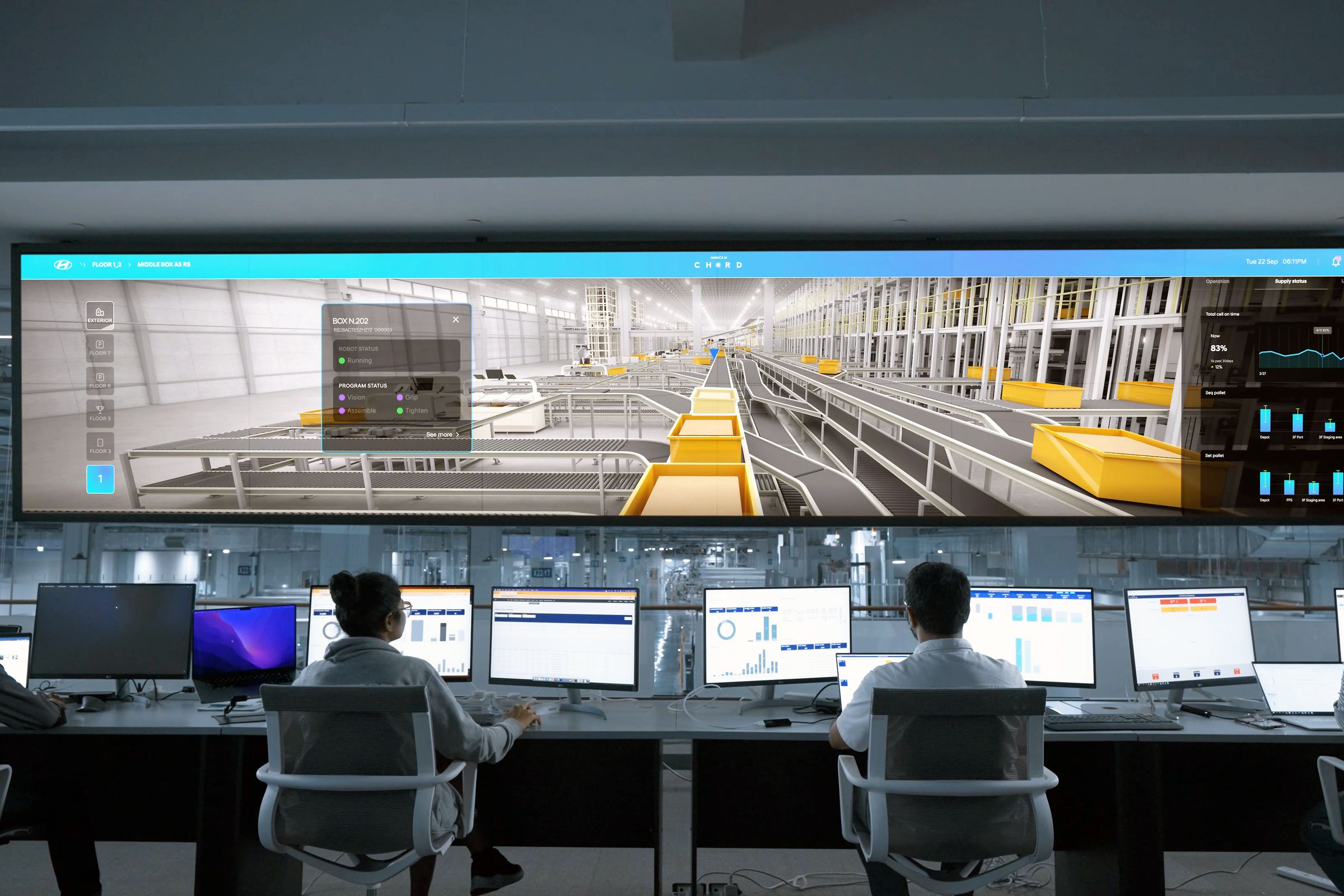 Agentic AI & AI AgentsBuild AI agents that plan, use tools, and complete multi-step work inside your systems, with guardrails and human oversight.Explore Service
 AI AutomationApply AI to document handling, decision support, and operational workflows to remove manual effort while people stay in control.Explore Service



Let’s Build Together
Want Earlier Warning of Equipment Problems?
Tell us about your equipment and the data you already collect, and we will discuss how machine learning could support your maintenance planning.
Talk to Us- Monitoring
- Anomaly Detection
- Prediction
- Maintenance Planning